Working With Most Trusted Spartanburg Kitchen Remodeling Contractor
Upgrade Your Home: Recommendations for Identifying the Right Kitchen Remodeling Contractor
Choosing the ideal kitchen renovation contractor is essential for a successful home overhaul. A skilled contractor not only understands the vision but also provides the essential skills and experience to the project. Many considerations play a role when picking a contractor, from confirming credentials to reviewing past work. Grasping these elements can substantially impact the outcome. What should homeowners emphasize in their search, and how can they secure a smooth collaboration?
Vital Characteristics of a Trustworthy Renovation Contractor
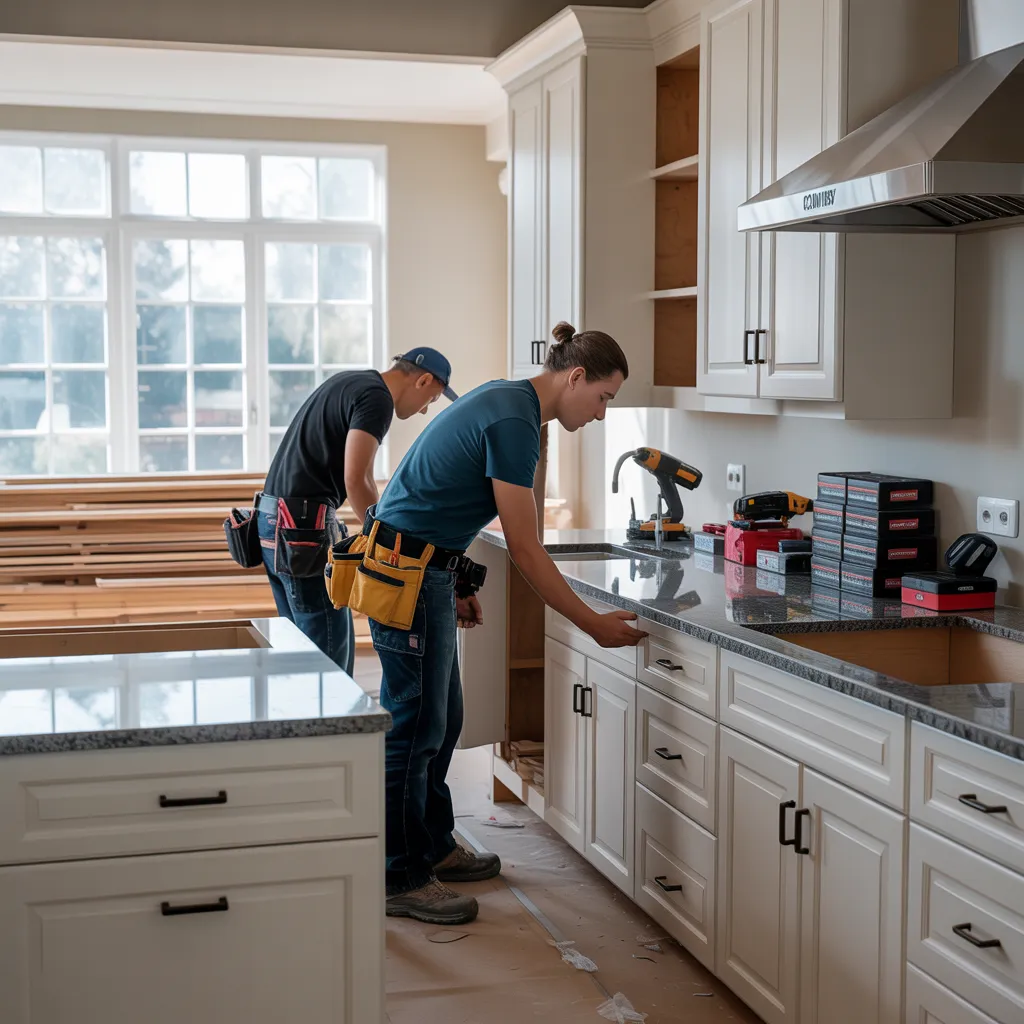
An skilled remodeling contractor acts as the foundation of any effective kitchen renovation. Their proficiency not only directs the project but also guarantees that it aligns with the homeowner's vision. Key qualities include clear communication abilities, which allow them to express ideas and updates transparently. Meticulousness is crucial, as it impacts both aesthetics and functionality. A competent contractor also exhibits strong project management abilities, coordinating timelines, budgets, and subcontractors smoothly. Reliability matters; they should reliably meet deadlines and honor commitments. Moreover, a solid understanding of current design trends and materials allows them to provide valuable insights. Finally, a trustworthy contractor forms strong client relationships, fostering trust and collaboration throughout the renovation. These traits jointly ensure a seamless and effective kitchen remodeling experience.
Verifying Credentials and Experience of Potential Contractors
Verifying the credentials and background of potential contractors is essential for ensuring a smooth kitchen remodeling project. Homeowners must initially verify the proper licenses, which demonstrate the contractor’s compliance with local laws and industry norms. Moreover, insurance coverage is essential, providing protection to both parties against accidents or damages occurring during the renovation.
Experience in similar projects is another important consideration. Contractors should submit a collection of work showcasing past work, preferably in kitchen remodels, to prove their capabilities. Client references and feedback can also offer insights into the contractor's reliability and workmanship.
Furthermore, industry memberships with associations such as the National Kitchen and Bath Association can demonstrate a commitment to quality and ongoing education in the field. By carefully evaluating credentials and expertise, property owners can make informed decisions, minimizing risks and improving the likelihood of a effective kitchen transformation.
Uncovering Proven Remodeling Service Providers
Finding trustworthy remodeling contractors is crucial for a effective kitchen renovation. It is vital to confirm their qualifications and licenses to guarantee they satisfy industry standards. Additionally, asking for recommendations can offer insights into a professional's reputation and past project quality.
Review Credentials And Certifications
Homeowners must check that the remodeling professional holds the required credentials and licenses before hiring them. Taking this step helps in ensuring that the contractor is qualified and follows local regulations. Begin by looking into state-issued licenses, which may indicate a contractor's expertise and trustworthiness. Additionally, qualifications from industry organizations can also validate a contractor's skills and commitment to quality. Additionally, asking about insurance coverage—liability and workers' compensation—is wise to prevent potential liabilities. Spending time to verify these credentials allows homeowners to make educated decisions, lowering the risk of hiring unqualified professionals for kitchen remodeling.
Seek Recommendations
Key Questions to Ask Your Remodeling Contractor?
What vital inquiries should property owners evaluate when hiring a remodeling contractor? First, they should ask about the contractor's experience with kitchen remodels, including the number of related projects completed. Homeowners should also inquire about licensing and coverage to guarantee adherence with local regulations and protection against liabilities. Understanding the contractor's schedule for project completion is vital, as is asking about the expected payment schedule.
Additionally, property owners should request testimonials from past clients to gauge satisfaction and reliability. It's crucial to discuss the builder's method to managing unexpected problems that may arise during the project. Homeowners should also clarify what materials will be used and whether they are incorporated in the initial estimate. Finally, discussing ways to communicate throughout the project can promote a easier renovation process. These inquiries help establish confidence and ensure that expectations are aligned from the outset.
Evaluating Contractor Estimates
Homeowners should distrust quotes considerably cheaper than alternatives; these might point to concealed charges or poor-quality materials. On the other hand, a higher estimate does not always promise exceptional standards. It is essential to evaluate the total worth rather than just the cost. Instructing contractors to elaborate on vague terms can better see information on this assist in reaching a knowledgeable choice. Ultimately, this meticulous review guarantees that homeowners choose a contractor who suits their budget parameters and desired outcomes.
Approaches for Building a Strong Working Partnership With Your Contractor
Developing a strong working bond with a contractor is essential for a successful kitchen remodel. Transparent communication channels, reasonable expectations, and mutual trust and respect create the foundation of this association. Establishing these elements from the beginning can lead to a more seamless remodel process and better outcomes.
Create established communication structures
Developing solid communication systems is crucial for a successful kitchen remodeling project. Effective communication promotes trust and teamwork between homeowners and contractors. It is important for both parties to determine communication preferences, whether through emails, phone calls, or text messages. Ongoing updates and check-ins can help address concerns quickly and maintain project traction. Homeowners should prepare a compilation of questions and expectations to convey to their contractors, assuring that all parties remain coordinated. Additionally, setting up a shared timeline for project milestones can enhance responsibility. By supporting transparent communication, homeowners and contractors can handle challenges more effectively, ultimately resulting in a enhanced remodeling experience and a successful outcome.
Create Achievable Expectations Jointly
It is important to set practical expectations to develop a strong working relationship between homeowners and contractors. Transparent talks about project timelines, budgets, and design goals can help prevent misunderstandings. Homeowners should convey their plans, while staying open to professional advice, enabling contractors to provide insights drawn from experience. Creating a detailed project scope is critical, as it defines responsibilities and deliverables, fostering accountability. Regular check-ins during the remodeling process also guarantee that both parties remain on the same page. Setting realistic milestones and being pragmatic about potential challenges allows homeowners and contractors to cooperate effectively, reducing stress and improving overall satisfaction with the project. This forward-thinking approach builds the base for a productive and harmonious remodeling experience.
Cultivate Mutual Reliance And Admiration
Trust and admiration represent the cornerstones of a effective working relationship between homeowners and contractors. Establishing open communication is necessary; homeowners should express their objectives while contractors need to offer honest feedback and timelines. Ongoing check-ins help in sustaining clarity, which also builds trust. Honoring mutual competencies is vital, as homeowners should appreciate the contractor's expertise, while the contractor must value the homeowner's choices. Handling issues promptly and appropriately fosters a favorable work environment. Additionally, setting boundaries, such as work hours and communication methods, can prevent misunderstandings. By fostering an environment of collective confidence and admiration, both parties can collaborate successfully, delivering a smoother remodeling process and a positive outcome.
Frequently Asked Questions
What Should I Do About Conflicts With My Remodeling Contractor?
To tackle disagreements with a home renovation specialist, one should communicate clearly, document all interactions, and work toward an agreement through deliberation. If necessary, appointing a mediator or lawyer consultation may also be beneficial for fixing significant issues.
What Is the Usual Timeline for a Kitchen Overhaul?
A typical kitchen renovation timeline spans from six to twelve weeks, depending on the project's scope. Factors such as design complexity, material availability, and efficiency of contractors can influence this duration greatly throughout the process.
Should I Be Concerned About Undisclosed Fees?
Kitchen remodel often involves hidden costs such as unexpected structural repairs, permit fees, appliance improvements, and labor costs. It's critical for homeowners to budget appropriately for these likely expenses to circumvent financial strain during the project.
Is It Feasible to Stay in My Home While the Renovation Takes Place?
Yes, homeowners can frequently stay in their homes during renovation work, though it may prove inconvenient. It's important to communicate with builders about particular areas affected to reduce interruption and guarantee protection throughout the process.
Which Design Styles Are Presently In Demand for Kitchens?
Modern farmhouse, minimalist, and industrial styles are popular for kitchens. Features such as open shelving, natural materials, and bold colors boost functionality while displaying unique preferences, making these designs both practical and visually appealing.